Reprint: Paris will completely ban disposable plastic lunch boxes! The EU's most stringent "plastic limit order" is on the road, and these plastic products are eliminated
The "Anti-disposable Plastic Use" regulation adopted by the Council of the European Union on May 21, 2019 has been officially implemented since July 3 this year, including plastic tableware, dinner plates, straws and other plastic products will no longer be used in France and other countries, and the popular traditional fast food Kebab barbecue boxes are also among them.
The EU's "plastic ban" came into effect, and Paris wants to put an end to disposable plastic lunch boxes
According to French media reports, the French capital Paris plans to completely eliminate disposable plastic lunch boxes by 2026.
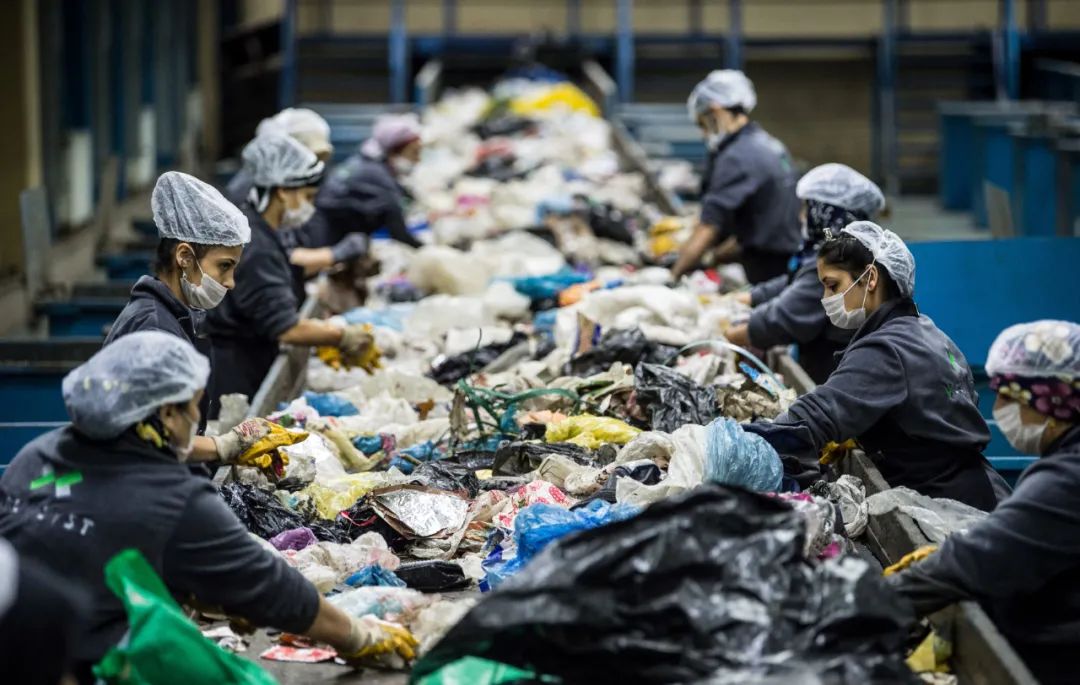
According to statistics, Paris now uses 15 tons of disposable takeaway plastic packaging every day. (AFP Photo)
The complete elimination of single-use plastic lunch boxes is part of the ongoing "zero plastic" initiative in Paris.
A start-up company called La Consigne GreenGo, in collaboration with the government of the tenth arrondissement of Paris, is now piloting a take-away box recycling system in restaurants and supermarkets in the tenth arrondissement. Recycling points were set up at 20 local restaurants and 10 Franprix supermarkets. The move is expected to reduce the number of single-use plastic packaging boxes in Paris by 1 million a year.
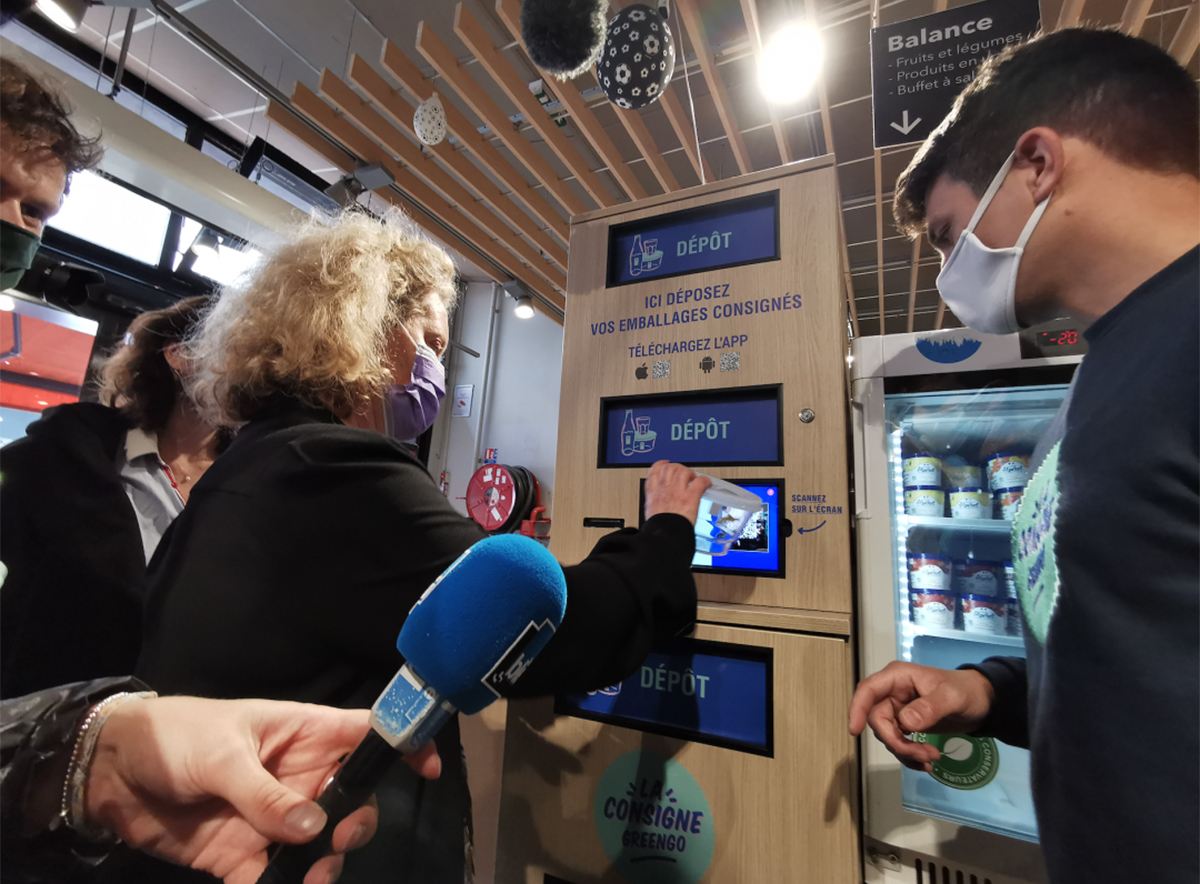
Alexandra CORDEBARD (left), mayor of the 10th arrondissement of Paris, scans barcodes as she returns a recyclable glass packaging bowl.
The program encourages customers to bring their own packed cutlery as much as possible. If you use a returnable box provided by the restaurant, you can download a free smartphone app and pay a deposit of up to €10. Return the returnable tableware within one month and the deposit will be refunded in time.
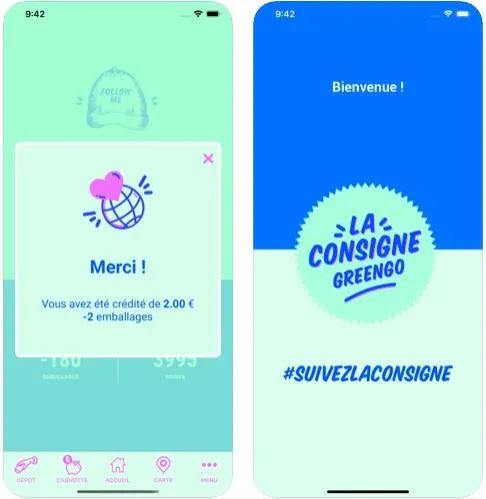
La Consigne GreenGo mobile app page.
By the end of 2021, the project will develop 250 restaurants and 20 supermarkets in Paris. In the next few years, it will be gradually promoted and applied in Paris, and it is planned to completely eliminate disposable plastic packaging boxes in 2026.
Kebab barbecue iconic lunch box ushered in "ecological transformation"
With the official landing of the EU's "most prohibited plastic order", several plastic products including plastic tableware, dinner plates, straws and other plastic products will no longer be used in France and other countries, and the popular traditional fast food Kebab barbecue lunch box is also among them.
Packed with golden roast meat, fresh tomato slices, lettuce salad, Onions, and served in a pale yellow plastic box with an appetite for French fries, the delicious and inexpensive Kebab has become a symbol of multicultural fast food in France, with 350 million units sold each year, Le Monde reported. That's an average of 11 Kebab sandwiches eaten every second. But from July 1, 2021, a familiar part of the set meal - the polystyrene lunch box - will no longer be present.
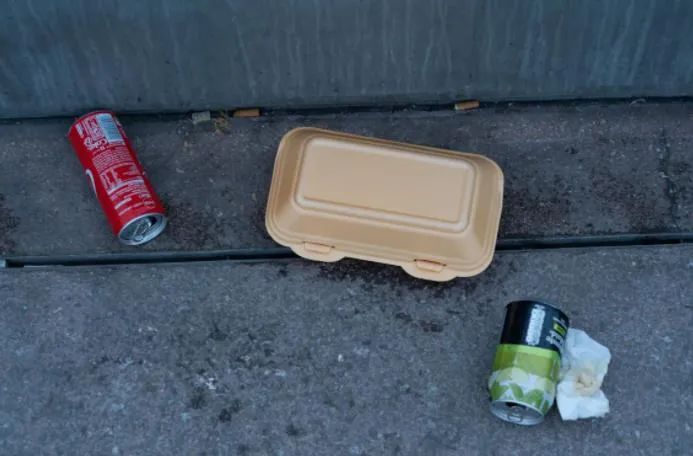
It takes 1000 years for polystyrene lunch boxes to degrade themselves. (AFP Photo)
Barbara Pompili, France's minister of Ecological transformation, explained that such materials "take 1,000 years to self-degrade in nature, whereas plastic bags take 'only' 450 years." Facing the polystyrene lunch boxes that people are accustomed to, she suggested that they could be replaced by paper, wood or polypropylene (PP).
"We haven't found the perfect alternative yet, but this is a step forward." "Pompili said.

Pompili visited a Kebab in Nanterre, Haut-de-Seine, on July 1 to see how the ban was working and to sample a traditional Kebab sandwich wrapped in salad, tomatoes and Onions. (Pompili Twitter chart)
As part of the anti-waste law passed in France in February 2020, polystyrene Kebab lunch boxes have been banned since January 1 this year. Considering the need to consume inventory, the deadline for stores to use this material lunch box is July 1.
According to the official website of the French Ministry of Economy, Decree No. 2021-517 stipulates that the following objectives will be achieved during the period from 2021 to 2025:
Gradually reduce single-use plastic packaging products to 20%, of which 50% are recycled plastic products.
Pictures gradually eliminate the necessary technical features of single-use plastic packaging.
Gradually achieve 100% recycling rate of single-use plastic packaging.
Article 7 of Law 2020-105 states that France aims to completely eliminate the use of single-use plastic packaging by 2040.
From 1 January 2021, the sale of some single-use plastic products will be gradually banned, and the stock ordered before 2021 can be sold out before 1 July 2021, including:
Picture disposable cups;
Picture plastic plate;
Picture plastic straws;
Picture plastic confetti.
Article 77 also prohibits:
Plastic bottled water is provided free of charge in reception public and occupational places;
Picture production of disposable plastic bags.
From January 1, 2022: No free distribution of plastic packaged tea bags and plastic toys in fast food restaurants.
From January 2023, disposable cutlery will be banned in fast food restaurants.
Eu "ban plastic" : "good or bad students" big gap
Although the ban on single-use plastic products is in force across the EU, the ban has so far only been implemented in some countries.
France24 television reported that as early as 2018, the EU has issued a "plastic ban" proposal, which has been modified in the following years, and finally indicates that from July 3, 2021, the production, purchase and import and export of all disposable plastic products that can be produced with other alternative materials such as cardboard, including plastic tableware, straws, balloon rods, cotton swabs, etc., will be completely banned. Even bags and packaging made of decomposable plastic. At the same time, for those that do not have an ideal alternative material, such as cup LIDS, the EU also requires that their use be reduced to 25% by 2025.
The EU also requires certain products sold in the EU (hygiene products, wet wipes, filtered tobacco products and beverage cups) to carry labels stating that they are made of plastic and can have an adverse impact on the environment if not disposed of properly. The EU said member states would have no later than two years from the date the ban came into force to adopt domestic regulations to ensure the ban was implemented in their countries, and that merchants would have a "clearance period" of up to 12 months.
Some European countries, such as France, Greece and Latvia, have undoubtedly been "good students" in this regard, implementing the new European standard on time and even ahead of schedule, and adopting their own laws in line with EU requirements.
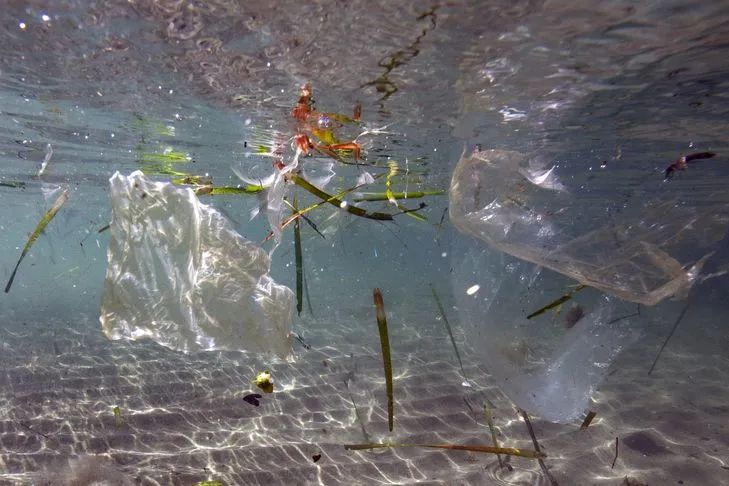
France's "Cross" reported that 600,000 tons of plastic waste are discharged into the Mediterranean Sea every year, and France is the largest producer of plastic waste in the Mediterranean Sea. In 2016, France produced 4.5 million tons of plastic waste, equivalent to 66.6 kilograms per person, and of the 98 percent (4.4 million tons) of plastic waste collected, only 22 percent was recycled. Plastic bags litter the waters off Marseille. (AFP Photo)
However, most countries have failed to implement these laws in time. According to a recent report by several associations and ngos, the directive has come into force immediately in only eight of the 27 countries: Belgium, Denmark, Greece, France, Lithuania, Latvia, Hungary and Slovakia.
The report, "Phasing out Single-use Plastics: Where does Europe stand?" The report condemned a large number of member states for their lack of environmental responsibility. On the eve of the directive's entry into force, "most countries have taken only minimal steps to comply with the directive and have not even taken all the required measures... In many countries, the conversion process is still under way or has barely begun." "The report said.
The "bad students" included Poland, the Czech Republic, Romania and Bulgaria, and several countries said they were discussing bills in their parliaments, though the authors noted they had yet to find any sign of such legislation being drafted.
The report cited the coronavirus pandemic and domestic political crises as reasons for delays in implementing the law in some countries. More importantly, however, countries such as Poland and Romania are heavily dependent on the coal industry and are not keen on climate protection.
In its latest statement, the European Commission said it was "working with states to ensure that European directives are translated into national law". "The Commission published guidelines in May to support countries in implementing the Directive. "Let's hope they implement it soon." The European Union said.
(European Times/Qiu Qiu compiled, reporting by Owen, video: Owen) Editing by Bean
Reproduced to: European Times